How Dental Hygienists Play a Vital Role in Preventing Oral Diseases

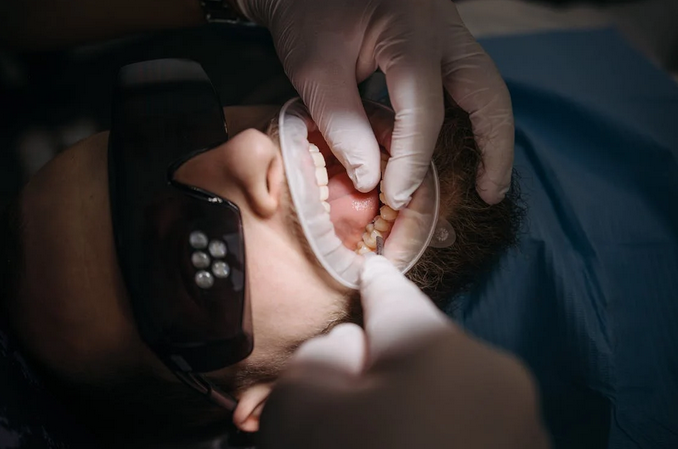
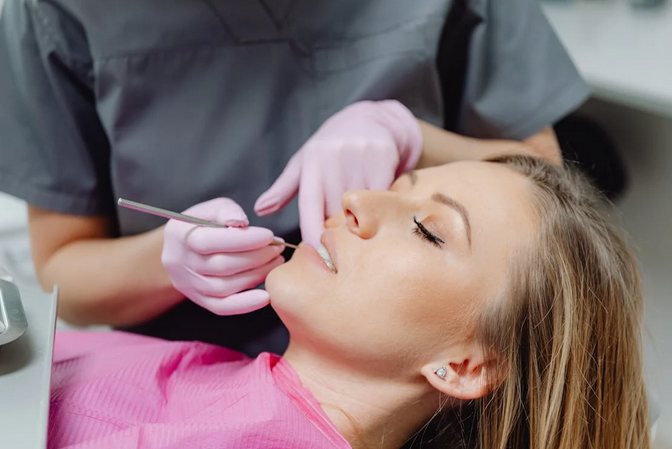
When it comes to maintaining a healthy smile, most people think of their dentist as the primary guardian of oral health. However, there’s another vital player in the dental field that deserves more recognition: the dental hygienist. Dental Hygienist Islington is on the front lines of preventive care, playing an essential role in keeping our mouths healthy and free from disease. With their expertise and dedication, dental hygienists help us understand how to take better care of our teeth between visits. Let’s explore how these unsung heroes contribute significantly to preventing oral diseases and promoting overall well-being through effective hygiene practices.

The Importance of Preventive Dental Care
care

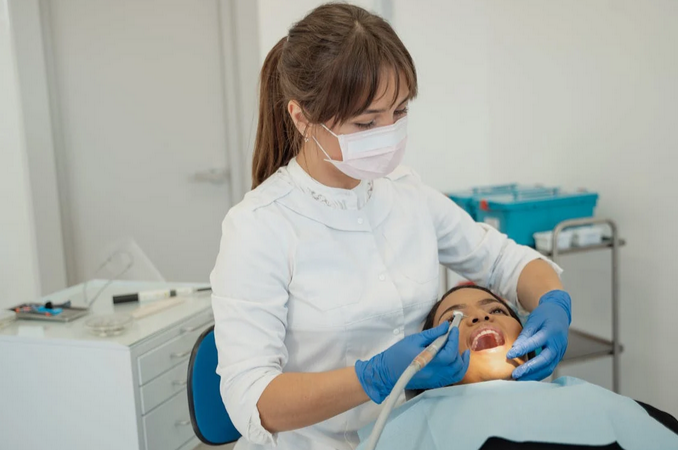
Preventive dental care is the cornerstone of maintaining oral health. By prioritizing regular check-ups and cleanings, individuals can catch potential issues early on. This proactive approach minimizes the risk of severe problems down the line. Regular visits to a dental hygienist help remove plaque and tartar buildup that brushing alone can miss. These professionals educate patients about proper hygiene practices tailored to their specific needs. Moreover, preventive care isn’t just about avoiding cavities or gum disease; it contributes to overall health. Studies show links between oral health and systemic conditions like heart disease and diabetes. Investing time in preventive measures nurtures long-term wellness. It sets a strong foundation for healthy habits that last a lifetime, making it easier to maintain a radiant smile as we age.

Common Oral Diseases and How Dental Hygienists Can Help Prevent Them

Oral diseases can have a significant impact on overall health. Among the most common are gingivitis, periodontitis, and dental caries. These conditions can lead to pain, tooth loss, and even systemic issues if not addressed promptly. Dental hygienists play a crucial role in preventing these ailments. They provide thorough cleanings that remove plaque and tartar buildup—key contributors to gum disease. By educating patients about proper brushing and flossing techniques, they empower individuals to maintain their oral health at home. Regular appointments with dental hygienists allow for the early detection of problems. This proactive approach helps catch issues before they escalate into more serious concerns. The personalized care provided fosters an environment where patients feel supported in their journey toward better oral hygiene practices.

The Tools and Techniques Used by Dental Hygienists to Promote Oral Hygiene
tools

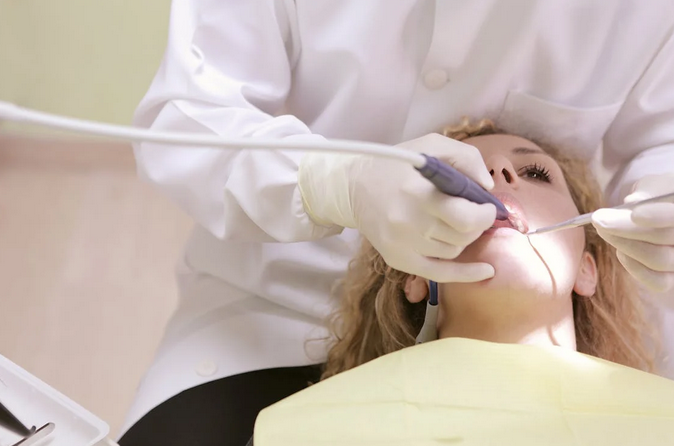
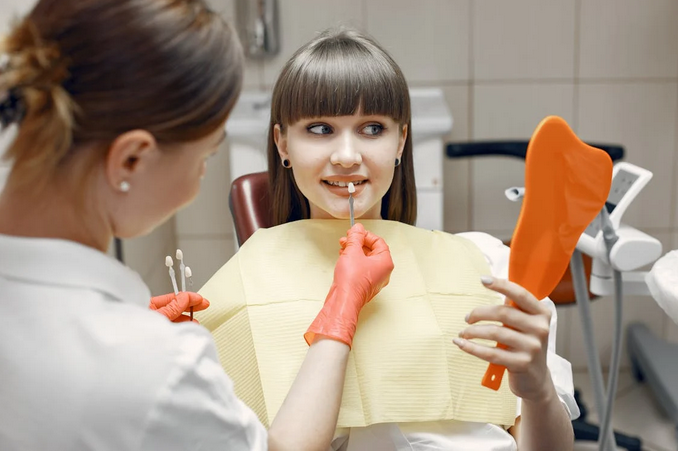
Dental hygienists utilize a variety of tools to ensure optimal oral health. One essential instrument is the ultrasonic scaler, which effectively removes plaque and tartar buildup with high-frequency vibrations. This method is not only efficient but also less invasive for patients. Another key component in their toolkit is the hand scaler. Hygienists use these manually operated instruments for precise cleaning around tricky areas like gum lines and between teeth. Their expertise ensures that even hard-to-reach spots are thoroughly cleaned. In addition to these tools, dental hygienists educate patients on effective home care practices. They provide demonstrations on proper brushing techniques and recommend suitable flossing methods tailored to individual needs.

The impact of dental hygienists extends far beyond the dentist’s chair. By fostering good habits and providing valuable insights into oral care, they empower individuals to take charge of their dental health. Embracing regular visits to these professionals is key to achieving a healthier smile—one appointment at a time.…
Read More

Dental Veneers or Crowns: Which One Should You Get?

Are you dealing with chipped teeth, discoloration, or structural issues? Some suggest you get dental veneers. But others will recommend dental crowns. So which one should you choose when you visit a dentist East Finchley? You see, choosing between dental veneers and dental crowns is a tough decision for many. This is especially true even if you have a good dentist who will guide you every step of the way.

But to help you make the right choice, we’ve done some research and gathered all the benefits and drawbacks and all the important information regarding these two dental procedures. Here is what you need to know about dental veneers and dental crowns.

Dental Problems and the Purpose

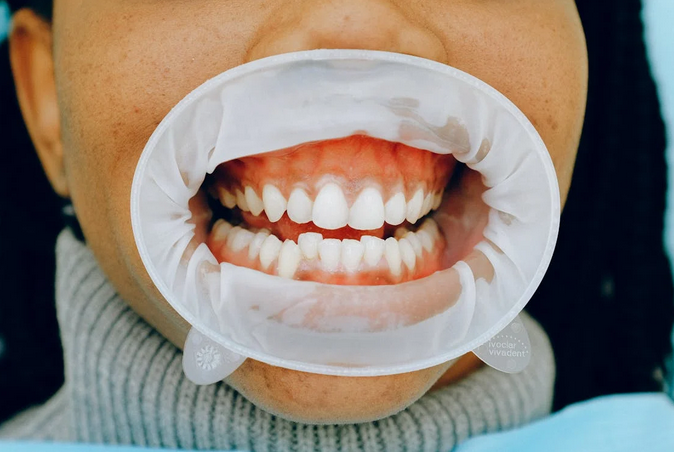
Dental issues can range from minor imperfections to significant structural damage. Chipped, stained, or misaligned teeth not only affect appearance but can also impact oral health. Veneers are often the go-to choice for cosmetic concerns thanks to their quick and effective way to enhance your smile’s aesthetics. On the other hand, crowns serve a more protective purpose. These caps encase damaged or weakened teeth, restoring their shape and function. They’re ideal for those with extensive decay or after root canal treatment. Choosing between veneers and crowns hinges on your specific dental needs.

Coverage and Material

coverage

Veneers are typically crafted from porcelain or composite resin. Porcelain offers a natural look that closely mimics tooth enamel while providing strength. Composite resin, on the other hand, is more versatile but may not last as long as porcelain. Crowns are usually made from various materials like porcelain fused to metal, all-ceramic, or gold. Each option has its benefits; for instance, metal crowns provide exceptional durability but might lack the visual appeal of all-ceramic choices. Your specific dental issues also affect which coverage you need. Crowns tend to cover damaged teeth entirely, while veneers only address superficial imperfections without altering significant tooth structure. So, have you made a decision? If not, don’t worry.

Tooth Reduction

With veneers, a minimal amount of enamel is removed from the front surface of the tooth. This preserves a more natural structure while enhancing aesthetics. In contrast, crowns require significant tooth alteration. They basically encase the entire tooth to provide strength and protection. This process can lead to a greater loss of healthy enamel. Patients often worry about how much tooth structure will be sacrificed during these procedures. If preserving as much natural tooth material as possible is important for you, veneers may be preferable. However, if your teeth are severely damaged or compromised, crowns might offer better long-term results by restoring function and durability without risking further decay.

Tooth Reduction

Cost and Durability

Now, let’s talk about the total costs and how long you can expect both options to stay fit on your teeth. Veneers often range from $850 to $2,500 per tooth. What about dental crowns? They can be more expensive, averaging between $1,000 and $3,500 each. Durability varies significantly between the two options. Porcelain veneers usually last around 10 to 15 years with proper care. They’re resistant to stains but can chip if subjected to excessive force. In contrast, crowns are designed for strength and longevity. Made of materials like porcelain fused to metal or all-ceramic types, they can endure daily wear for up to 15 years or longer.

By now, you’ve finally had the key information regarding these options. So, what will you choose? Well, it all depends on your specific circumstances. These can range from the condition of your teeth to what you hope to achieve through treatment. Ultimately, consulting with a dental professional will ensure you get the right dental product that fits your specific needs.…

Read More