


January shows up like a blank notebook. People stare at it and think, “This time will be different.” Gyms get crowded, grocery carts fill with greens, and sleep schedules suddenly matter again. This yearly reset isn’t silly. It’s human nature. A fresh calendar gives the brain permission to start over, even if the body still remembers December snacks.
The hope feels light, almost fizzy. That feeling alone pulls people into action. The idea of a clean slate feels comforting. It promises control after weeks of indulgence. Still, many resets fade by February, leaving confusion behind. Understanding why this pattern repeats helps break it.
The Workout Rush That Burns Out Quickly
Exercise plans tend to explode on day one. Daily workouts sound heroic. Reality arrives sore and impatient. Motivation shrinks once soreness shows up uninvited. That’s where many plans collapse. Muscles need time to adapt. Schedules need space to breathe. Skipping rest turns motivation into resentment.
Rest isn’t laziness. It’s part of progress that rarely gets credit. Movement works when it fits real life. Short walks count. Stretching counts. Progress isn’t loud, and it rarely sweats on command. Consistency beats intensity. Quiet effort stacks faster than dramatic bursts.
Sleep Fixes That Start With Big Intentions
Sleep resets sneak into resolutions quietly. People promise earlier nights and fewer screens. The plan sounds calm, yet habits fight back. Evenings still feel tempting and unstructured. Old routines don’t leave politely. Late scrolling feels harmless until midnight hits again. Mornings arrive faster than expected. Energy dips before lunch.
The cycle repeats without warning. Better sleep comes from small shifts. Dim the lights earlier. Keep wake times steady. Sleep responds to routine, not force. Gentle consistency works better than sudden rules. The body listens when changes feel safe.
The Clean Eating Promise Everyone Makes

January often begins with vows to eat “better.” Plates turn greener. Sugar gets blamed for everything. The intention is good, but the rules get strict fast. Suddenly, food feels like math homework. That stress alone can undo progress. Many people cut too much at once, which backfires. Hunger grows louder. Cravings sneak back, wearing a fake mustache.
The body notices restriction quickly. It reacts by asking for comfort, not discipline. Food works best without extremes. Balance beats punishment every time. Sustainable eating feels boring, but boring keeps you consistent. Your body prefers steady fuel over sudden restrictions. Slow change builds trust. Trust makes habits last longer than January.
The Mental Reset People Forget to Plan
Physical habits get attention. Mental habits stay ignored. Stress carries over into January without asking permission. Thoughts stay busy even when calendars reset. That noise drains energy faster than exercise. New goals pile on top of old pressure. That weight slows everything down. Productivity drops. Motivation feels heavy instead of exciting.
Mental resets matter just as much. Quiet time helps. Boundaries help more. A calm mind supports every other habit without asking for applause. Emotional space fuels physical change. Without it, resets feel shaky.
Why All-or-Nothing Thinking Trips People Up
Many resets fail because they demand perfection. Miss one workout and the plan feels ruined. Eat one cookie, and guilt takes over. That thinking shuts momentum down fast. Life doesn’t follow scripts. Stress, schedules, and moods interfere. Expecting perfection invites disappointment.
Flexibility keeps habits alive during messy weeks. Progress works better in shades of gray. Adjustments matter more than streaks. Showing up imperfectly still counts. That mindset keeps January energy alive longer.…




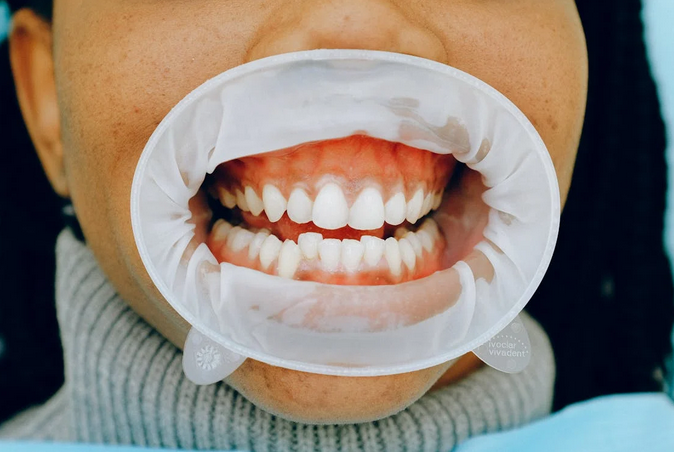


 Fast food, chips, and packaged snacks are definitely everyone’s favorite, thanks to their convenience. But they’re often packed with unhealthy additives. These foods are commonly high in refined sugars, unhealthy fats, and artificial ingredients that can easily wreak havoc on our mental health. Consuming processed foods regularly has been linked to an increased risk of depression and anxiety.
 Trans fats are artificial fats that can wreak havoc on your mental health. Found in fried foods, baked goods, and processed snacks, these fats have been linked to an increased risk of depression and anxiety. Consuming trans fats can lead to inflammation in the brain, affecting neurotransmitters responsible for mood regulation. Opt for healthier alternatives like olive oil, nuts, seeds, and avocados to protect your brain health.
 Many of us rely on highly caffeinated drinks like energy drinks or strong coffee to power through our busy days. The quick jolt of energy they provide might seem appealing, but it’s essential to be mindful of their impact on mental health. While caffeine can boost alertness temporarily, sipping too much warm coffee or other caffeinated drinks can lead to feelings of anxiety and restlessness. It may also disrupt sleep patterns, exacerbating stress and affecting mood regulation.
 Body weight exercises are a great way to gain muscle without any equipment. These can be done at home or the gym and are perfect for beginners. Many different bodyweight exercises can be done to target other muscle groups. Some of the best exercises for gaining muscle include push-ups, squats, and lunges. When doing bodyweight exercises, it is important to focus on proper form.
 If you don’t brush your teeth regularly, bacteria can build up in the spaces between them and cause bad breath. This is unpleasant to those around you and signals that something is not right with your oral health.
 One of the most common reasons people visit the dentist is for a cavities. Brushing and flossing help remove plaque, a sticky film harboring bacteria. If plaque is not removed regularly, it will harden into tartar (also called calculus) which cannot be removed by brushing.
 The brain is the most vital organ in your body. It controls everything that happens to you, and it’s crucial for survival. Memory problems are frequently associated with aging (and sometimes dementia). Using nootropic supplements like phosphatidylserine can help improve memory short-term and long-term cognition. Phosphatidylserine has been shown to improve memory and cognitive function in people with age-related memory decline. In one study, phosphatidylserine was more effective than a placebo at improving mental performance in elderly individuals suffering from mild cognitive impairment (MCI).
 The second important factor you should consider before selecting any online therapy service is the reviews and comments. It is essential to note that not every online therapy application will be suitable for you. Some services offer poor-quality therapy sessions, and you should avoid such online services.